 07 3375 6777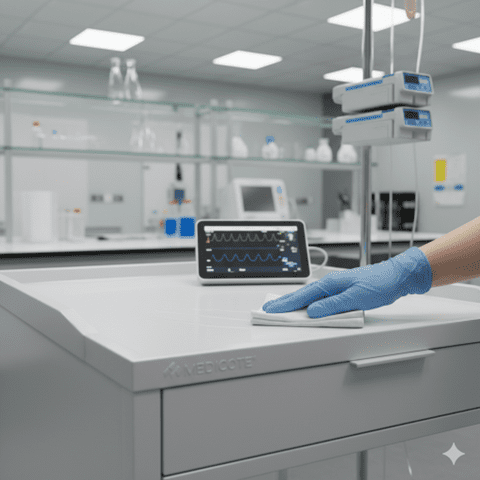
In industries like electronics and healthcare, even the smallest details can make a huge difference. Equipment in these sectors often features tight tolerances, moving parts, and heat-sensitive components, making traditional coating methods risky. Adding too much material can interfere with functionality, while insufficient protection can lead to corrosion, chemical damage, or failure under repeated cleaning and sterilization.
Enter modern powder coating technologies — offering thin, uniform, and highly durable finishes that protect sensitive equipment without compromising its function. For manufacturers, engineers, and facility managers, understanding these advancements can help improve product lifespan, safety, and performance.
Why Durability Without Thickness Matters
Electronics and medical devices are highly specialized. Small deviations in dimensions or added bulk from coatings can have serious consequences:
- Tight tolerances: Circuit boards, enclosures, and mechanical assemblies must fit precisely. Thick coatings risk interfering with component assembly or heat dissipation.
- Moving parts: Devices such as medical pumps, robotic arms, or diagnostic equipment have moving parts that must operate smoothly. Extra thickness from coatings can affect movement and reliability.
- Heat-sensitive components: Many electronics and medical plastics can deform or degrade under high temperatures, making traditional high-heat coatings unsuitable.
Modern powder coating solutions have evolved to address these challenges. By offering thin, consistent layers, manufacturers can now protect sensitive devices without adding unnecessary bulk or stress.
How Modern Powder Coatings Achieve Thin, Consistent Layers
Powder coating is no longer just a “thick protective finish.” Advanced formulations and application techniques allow coatings to:
- Apply evenly in thin layers: Ensures precision coverage even in complex geometries and fine details.
- Maintain uniform thickness: Prevents weak spots or excessive build-up that could interfere with tight tolerances.
- Provide strong mechanical protection: Even at thinner layers, powder coatings resist abrasion, impact, and wear.
This means electronics enclosures, medical carts, and diagnostic equipment can have highly durable finishes that do not compromise performance.
Example applications:
- Electrical enclosures and server racks
- Medical device frames and carts
- Surgical equipment housings
- Control panels and sensitive electronic instruments
By using thin yet resilient coatings, manufacturers can achieve both functional protection and aesthetic appeal, without adding extra weight or thickness that could interfere with device operation.
Low-Temperature Curing Protects Heat-Sensitive Components
Another major advancement in powder coating is low-temperature curing. Traditional powder coatings require high heat to cure, which can damage heat-sensitive plastics, electronics, or pre-assembled components. Modern low-temperature formulations, however, cure effectively at significantly lower temperatures, providing full durability without risking component integrity.
Benefits of low-temperature curing include:
- Reduced risk of warping or deformation in heat-sensitive materials
- Ability to coat pre-assembled devices without disassembly
- Energy savings and faster production cycles
- Preservation of delicate internal components
This development has opened doors for coating electronics with delicate circuits and medical devices made of sensitive plastics — all while maintaining the protective and aesthetic qualities of traditional powder coatings.
Chemical & Corrosion Resistance for Medical Environments
Durability is not just about physical protection; chemical and corrosion resistance is critical, especially in medical environments. Hospitals, laboratories, and clinics have strict hygiene standards:
- Equipment is cleaned and disinfected multiple times per day
- Harsh cleaning chemicals and sterilizing agents are routinely used
- Contamination and corrosion can compromise both safety and equipment lifespan
Powder coatings excel in this environment. They provide:
- High resistance to cleaning chemicals: Surfaces withstand repeated exposure without degradation.
- Non-porous, easy-to-clean surfaces: Reduces risk of bacteria or residue accumulating.
- Long-term corrosion protection: Extends the life of hospital beds, IV stands, carts, and other frequently handled equipment.
By applying powder coatings, medical device manufacturers and hospital procurement teams can ensure equipment remains functional, hygienic, and visually professional over many years.
Additional Advantages for Manufacturers
Powder coating technology offers more than just thin, durable layers and chemical resistance. Manufacturers also benefit from:
- Cleaner, safer processes
- Powder coatings contain no solvents and release virtually zero volatile organic compounds (VOCs), reducing environmental impact and worker exposure.
- Safer for sensitive electronics assembly areas and medical device clean rooms.
- High-quality, aesthetically appealing finishes
- Uniform coatings provide consistent colours and textures.
- Options include matte, satin, metallic, or custom finishes to match branding or equipment identification needs.
- Long-term cost savings
- Reduced rework or replacement costs due to improved durability
- Less maintenance for equipment frequently exposed to chemical cleaning or abrasion
- Sustainability
- Minimal waste with overspray recapture
- Powder coatings are increasingly engineered to be environmentally friendly without compromising performance
Real-World Applications
Electronics Examples:
- Server racks and IT enclosures coated with thin, insulating powders
- Industrial control panels protected from corrosion and dust
- Circuit board housings that require precise, uniform coatings
Medical Device Examples:
- Hospital beds, IV stands, and trolleys that survive repeated disinfection cycles
- Diagnostic and surgical equipment with tight tolerances coated for long-term protection
- Mobile medical carts that require both chemical resistance and aesthetic finish
These real-world applications illustrate how powder coating can be both functional and visually appealing, even in industries where equipment failure is not an option.
Conclusion: Precision Protection Without Compromise
Modern powder coating technology represents a significant advancement for sensitive industries like electronics and healthcare. Thin, uniform coatings, low-temperature curing, and high chemical resistance allow manufacturers to:
- Protect heat-sensitive and moving components
- Meet strict hygiene and corrosion requirements
- Preserve aesthetics and precision tolerances
For decision-makers in these sectors, investing in advanced powder coating solutions is not just about durability — it’s a strategic advantage. It reduces maintenance costs, extends equipment life, and ensures performance without compromise.
Whether it’s electronics enclosures, hospital equipment, or delicate medical devices, thin powder coatings provide maximum protection without interfering with function, offering a reliable, safe, and long-lasting solution that today’s industries demand.
