 07 3375 6777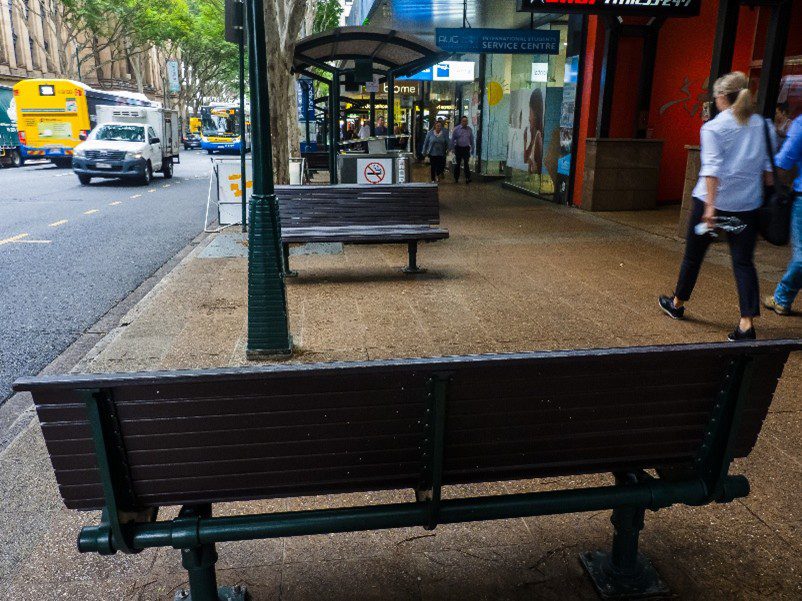
For decades, powder coating was viewed through a relatively narrow lens: it was the finish that made a fence look green, a window frame look charcoal, or a park bench look vibrant. In the industrial sector, the primary goal was simple—prevent rust. However, as Australia’s infrastructure requirements evolve to meet the demands of a high-tech, high-density, and electrified future, the role of the industrial coater is shifting.
At Superior Coaters, we are seeing a significant transition from purely decorative finishes to Functional “Smart” Coatings. These are high-performance finishes engineered to perform a specific task, whether that is killing bacteria on contact, insulating electrical components, or reducing the “Urban Heat Island” effect in our growing cities.
In this article, we explore how these advanced powder technologies are reshaping Australian infrastructure and why choosing a specialist applicator with the right facilities—like our 14-metre batch oven—is critical for these high-stakes applications.
1. Antimicrobial Coatings: Protecting Public Health in High-Traffic Spaces
The global events of recent years have fundamentally changed how we view public hygiene. For local councils and commercial developers in Queensland, the focus has shifted toward “biosecurity by design.”
What are Antimicrobial Coatings? These are specialized powder finishes infused with silver-ion technology. Silver ions are naturally occurring elements that inhibit the growth of bacteria, mould, and mildew. When a microbe lands on a treated surface, the silver ions disrupt the cell membrane, preventing the bacteria from reproducing.
Applications in Infrastructure:
- Public Transport: Handrails, stanchions, and ticketing kiosks.
- Healthcare & Education: Door hardware, hospital beds, and school furniture.
- Public Amenities: Playground equipment and park benches.
The EEAT Factor: As a Dulux and Interpon Accredited Applicator, Superior Coaters utilizes world-class antimicrobial powders (such as Interpon AM) that offer 24/7 protection without affecting the colour or durability of the finish. For infrastructure projects, this isn’t just about “looking clean”—it’s about providing a scientifically backed layer of protection for the community.
2. Dielectric Coatings: Powering the EV Revolution and Renewable Grid
Australia is currently undergoing a massive energy transition. From the rollout of Electric Vehicle (EV) charging networks to the construction of large-scale battery storage facilities, the demand for electrical insulation has skyrocketed.
The Role of Dielectric (Insulative) Coatings: In traditional electrical engineering, heavy plastic shrouding or tape was used to insulate busbars and battery enclosures. Today, functional powder coatings provide a superior alternative. These “dielectric” coatings are engineered to resist electrical flow, preventing dangerous arcing or short-circuiting.
Why it Matters for the EV Sector:
- Space Efficiency: Powder coating is much thinner than plastic shrouding, allowing for more compact battery and motor designs.
- Thermal Management: These coatings can be engineered to help dissipate heat while maintaining electrical insulation.
- Durability: Unlike electrical tape, a dielectric powder coat won’t peel or degrade over time, even under the high-vibration conditions of a moving vehicle.
At Superior Coaters, our ability to handle large-scale components means we can coat the massive busbars and housing units required for industrial-scale power substations and EV fleet charging hubs, ensuring every millimetre meets strict dielectric strength standards.
3. Solar Reflective Coatings: Combatting the Urban Heat Island Effect
In the scorching Queensland sun, metal infrastructure can become a liability. Dark-coloured roofs, facades, and street furniture absorb solar radiation, contributing to the “Urban Heat Island” effect, where built-up areas become significantly hotter than their rural surroundings.
Cool Chemistry: Modern “cool-surface” powder coatings use infrared-reflective pigments. These pigments look like standard colours to the naked eye, but they reflect a much higher percentage of the sun’s near-infrared (NIR) radiation.
The Impact:
- Reduced Energy Costs: Buildings with solar-reflective facades require less air conditioning.
- User Comfort: Metal bus shelters and park seating remain at a temperature that is safe to touch, even in mid-January.
- Longevity: By keeping the metal substrate cooler, the coating itself undergoes less thermal expansion and contraction, extending the life of the finish.
4. Anti-Graffiti and Easy-Clean Technologies
Infrastructure maintenance is one of the largest ongoing costs for Australian councils. Functional coatings are now being used to create “low-surface-energy” finishes.
How it Works: These coatings create a surface so dense and slick that spray paint and permanent markers cannot properly bond to them. When a bridge or sound barrier is tagged, the graffiti can be wiped away using a simple cleaning solvent without damaging the underlying powder coat.
By investing in an anti-graffiti functional coating during the fabrication phase, asset owners can save tens of thousands of dollars in restoration costs over the life of the structure.
5. The Critical Importance of the 14-Metre Batch Oven
The rise of functional coatings brings a new level of technicality to the application process. Unlike decorative coatings, where a minor temperature variation might only cause a slight colour shift, functional coatings require absolute precision in the curing process.
If an antimicrobial or dielectric coating is not cured at the exact temperature specified by the manufacturer, its “smart” properties may fail.
Superior Coaters’ Technical Advantage: Our facility features one of the largest batch ovens in Queensland, measuring 14 metres in length. This is a game-changer for functional coatings for three reasons:
- Uniformity: In smaller ovens, long structural beams often have to be “spliced” or cured in sections. This creates “cold spots” where the coating may not fully cross-link. Our 14m oven ensures the entire piece reaches the “cure curve” simultaneously.
- Structural Integrity: For large-scale infrastructure like bridge girders or stadium components, we can coat the entire length in one go. This eliminates the need for joints that could become points of corrosive failure.
- Calibrated Precision: We use advanced thermal data loggers to track the temperature of the metal (the substrate) throughout the oven cycle, ensuring that functional coatings achieve their full chemical potential.
Conclusion: Partnering for the Future of Infrastructure
The infrastructure we build today must last for 30, 50, or 100 years. It must be hygienic, energy-efficient, and capable of supporting a high-tech electrical grid. Functional coatings are the “invisible” technology making this possible.
At Superior Coaters, our 35+ years of experience in the industry have taught us that the finish is only as good as the preparation and the cure. By combining the latest in functional powder technology from partners like Dulux and Interpon with our massive 14-metre capacity, we provide Australian engineers and developers with a coating partner they can trust.
Looking to specify a functional coating for your next project? Whether you need antimicrobial protection for a public space or dielectric insulation for an energy project, our team of experts is ready to assist.
Contact Superior Coaters today to discuss your project specifications.
