 07 3375 6777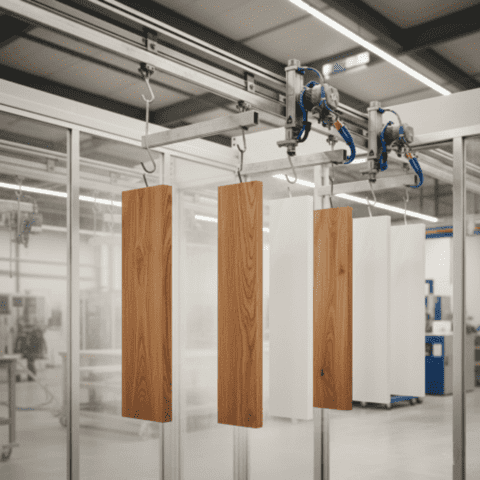
In the rapidly evolving landscape of surface finishing, the rise of low-temperature curing technology stands as the most significant breakthrough in decades. Traditionally, powder coating was a process reserved exclusively for metal, as the high heat required to cure the powder would melt or warp other materials. However, as of late 2025, a new generation of “low-bake” powders is shattering these boundaries, allowing the industry to move toward more versatile and energy-efficient emerging powder coating innovations and trends.
What is Low-Temperature Curing?
Conventional powder coatings typically require temperatures between 160°C and 200°C to initiate chemical cross-linking. This process, known as “stoving,” ensures the powder melts, flows, and chemically bonds to create a hard, protective shell. In contrast, modern low-bake powder formulations can cure at temperatures as low as 120°C.
This shift is not just about turning down the thermostat; it represents a fundamental change in polymer chemistry. By using advanced polyester and epoxy-hybrid resins with highly reactive catalysts, manufacturers are providing coatings that achieve full hardness and industrial durability at a fraction of the energy cost. For the end-user, this means the same level of impact resistance without the massive carbon footprint of traditional high-heat ovens.
The Benefits: Why the Industry is Switching
The transition to low-temperature curing is driven by three primary factors: energy efficiency, material versatility, and production speed.
1. Massive Energy Savings and Sustainability
Reducing oven temperatures by even 30°C can slash energy consumption by up to 20%. In an era where carbon footprints and rising utility costs are top-of-mind, choosing the right industrial coating system is essential for long-term protection and profitability. Furthermore, the market is shifting toward a future of powder coating innovations in Australia that emphasizes sustainable practices. Unlike liquid paint, powder coating is a zero-waste process that avoids many common coating mistakes businesses avoid by eliminating high VOC emissions.
2. Unlocking New Materials
Perhaps the most interesting aspect of this technology is its ability to coat heat-sensitive substrates. Historically, coating wood or plastic was impossible because the substrate would outgas or warp at 200°C. With low-cure products, industries can now achieve perfect powder coating results on a wider array of materials, providing a durable, high-quality finish where only liquid paint was once an option.
3. Handling Oversized Projects and Heavy Mass
For large-scale industrial projects, low-heat curing ensures that massive components reach the necessary “metal temperature” more uniformly. Superior Coaters utilizes some of the largest infrastructure in the country, offering oversized powder coating solutions with ovens measuring up to 14 metres in length. This capability is critical when working at scale for massive shade structures or large-span bridge sections. By utilizing powder coating for oversized structures in these massive 14m ovens, the risk of thermal warping in large structures is significantly reduced.
Solving the “Heavy Metal” Challenge
In heavy industrial sectors, thick and dense metals pose a challenge because they act as a “heat sink.” Low-temperature powders mitigate this by allowing the chemical reaction to start earlier. This is particularly useful for metal powder coating services where structural integrity is critical. Experts specialize in matching industrial needs with powder coating performance to ensure that even the most massive bridge components or sliding gates receive a consistent, high-performance finish.
Pre-Treatment and Environmental Protection
Regardless of the curing temperature, the longevity of a coat is determined by what happens before the part enters the oven. High-quality coaters use pre-treatment methods like zinc phosphate and blasting to ensure maximum adhesion. This is especially vital for coastal powder coating protection and duplex coatings for coastal protection, where salt-spray resistance is a major concern.
By understanding powder coating galvanized steel adhesion techniques, manufacturers can guarantee that products—from fence powder coating services to heavy machinery—will not peel or flake. This level of protection is why many professionals prefer powder coating vs paint in Australian conditions.
Aesthetics and Custom Finishes
Low-temperature curing hasn’t limited the visual possibilities. From anti-graffiti powder coatings to modern colour trends and custom finishes for architectural projects, the options are vast. Designers can now choose powder coating finishes for UV resistance in Australia or explore unique looks like a two-coat chrome powder finish. Whether you are navigating the challenges of silver and gold powder coating or comparing copper and bronze powder coating vs raw metal, modern technology ensures a Dulux accredited powder coater warranty can often be provided for peace of mind.
Conclusion
Low-temperature curing is a fundamental shift in the Australian powder coating market. By lowering the thermal bar, it has transformed powder coating into a versatile, high-tech choice for virtually any industry. When choosing the right powder coating specification, the combination of advanced chemistry and massive infrastructure (like oversize powder coating in 14m ovens) is the way of the future.
