 07 3375 6777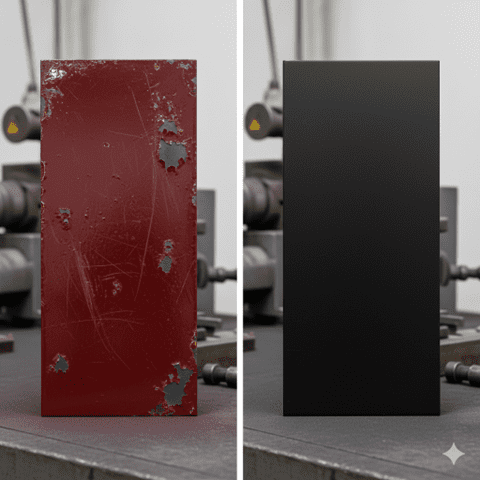
When it comes to protecting and beautifying metal surfaces, two primary contenders often enter the ring: liquid paint and powder coating. For many, the choice can seem straightforward – “paint is paint,” right? Not quite. While both aim to provide a durable finish, they employ fundamentally different processes and offer distinct advantages and disadvantages, especially in the demanding Australian environment. At Superior Coaters, we often encounter misconceptions about these two finishing methods. This comprehensive guide aims to debunk the myths, shed light on the realities, and help you make an informed decision for your next project, ensuring you achieve a finish that truly lasts.
Understanding the Basics: What Are We Comparing?
Before diving into the nitty-gritty, let’s briefly define each method:
Liquid Paint: This is the traditional method we’re all familiar with. It involves applying a liquid solution, typically comprising pigment, binder, solvent, and additives, to a surface. The solvent evaporates, leaving behind the solid film of paint. Liquid paints can be applied via brushes, rollers, or various spraying techniques.
Powder Coating: This modern finishing process involves applying a dry, free-flowing powder to a surface. The powder is usually electrostatically charged, so it adheres to the electrically grounded surface. The coated item is then heated (cured) in an oven, causing the powder to melt, flow out, and form a continuous, hard, and durable finish. The powder itself is a mixture of finely ground plastic particles (resin), pigments, curing agents, and flow modifiers.
Myth 1: Liquid Paint is Cheaper and Just as Good.
This is perhaps the most pervasive myth. On the surface, a can of liquid paint might appear more affordable than the process of powder coating. However, this perspective often overlooks the bigger picture, particularly the Total Cost of Ownership (TCO) and the Return on Investment (ROI).
The Reality:
- Application Efficiency: Liquid paint application often results in significant overspray (up to 60-80% waste), which translates to more product needed to achieve adequate coverage. Powder coating, thanks to its electrostatic application and reclaim capabilities, boasts up to 95-98% material utilisation. This means less material waste and often less product purchased.
- Labour Costs: While brush or roller application of liquid paint can be DIY, professional spraying still requires considerable skill and multiple coats, often with drying time between applications. Powder coating, while requiring specialised equipment, is a highly efficient, single-application process that often cures rapidly, leading to faster project completion times.
- Durability and Longevity: This is where powder coating truly shines. Its thicker, more uniform layer is significantly more resistant to chipping, scratching, fading, and corrosion than most liquid paints. In harsh Australian conditions, exposed to intense UV, salt spray, and extreme temperatures, liquid paint often degrades much faster, requiring frequent touch-ups or complete re-applications. This ongoing maintenance and premature failure significantly drive up the long-term cost of liquid paint. Powder coating, by contrast, offers a superior, long-lasting finish that can withstand these elements for years, meaning fewer repairs and replacements.
- Superior Coaters Insight: For architectural projects, automotive parts, outdoor furniture, or anything exposed to the elements, investing in powder coating from the outset translates into substantial savings on maintenance and replacement costs over the product’s lifespan.
Myth 2: Liquid Paint Offers a Wider Range of Finishes and Colours.
Historically, this might have held some truth, but modern powder coating technology has rapidly caught up, if not surpassed, liquid paint in versatility.
The Reality:
- Colour Palette: Powder coating now offers an almost limitless spectrum of colours, including custom colour matching to specific RAL or Pantone codes.
- Texture and Finish: This is an area where powder coating often excels. Beyond standard gloss, semi-gloss, and matte finishes, powder coating can deliver a vast array of unique textures that are difficult, if not impossible, to replicate with liquid paint. These include:
- Wrinkle/Textured: Ideal for hiding surface imperfections and providing a tactile, non-slip feel.
- Hammered: Creates a classic, antique metallic look.
- Translucent/Candy: Allows the underlying metal to show through, creating depth.
- Metallic and Pearlescent: Shimmering finishes with excellent depth.
- Anti-graffiti and Soft-touch: Functional finishes that add specific properties.
- Thickness and Uniformity: Powder coating naturally creates a much thicker and more uniform coating than liquid paint, leading to a richer appearance and enhanced protection. Liquid paint often requires multiple layers to achieve similar thickness, increasing application time and cost.
- Superior Coaters Insight: For design-conscious projects, the ability to specify unique textures and achieve consistent, high-quality finishes across large batches makes powder coating an invaluable tool for architects, designers, and manufacturers alike.
Myth 3: Liquid Paint is Easier to Repair and Touch Up.
While a quick brush-on touch-up for a small scratch on a liquid-painted surface might seem convenient, it rarely achieves a seamless, durable repair.
The Reality:
- Seamless Repair Challenge: Colour matching and feathering liquid paint for repairs can be notoriously difficult, often resulting in visible patches or inconsistencies in sheen and texture. The repair might also lack the original paint’s full durability and resistance.
- Powder Coating Durability Reduces Need for Repair: The inherent toughness of powder coating means damage is less likely to occur in the first place. When damage does occur, a professional repair can be achieved, though it often requires specialised techniques or re-coating the entire section for optimal results. However, the superior durability means these instances are far less frequent.
- Prevention is Key: Focusing on robust initial application with powder coating significantly reduces the long-term need for repairs, saving time and money in the long run.
- Superior Coaters Insight: We recommend a comprehensive powder coating solution from the start to minimise the need for future repairs. For critical applications, the strength and longevity of powder coating far outweigh the perceived ‘ease’ of a temporary liquid paint patch-up.
Myth 4: Liquid Paint is More Environmentally Friendly.
This myth stems from a general lack of awareness about the chemical composition and application processes of both methods.
The Reality:
- Volatile Organic Compounds (VOCs): This is the biggest differentiator. Liquid paints, particularly older formulations, rely heavily on solvents that release Volatile Organic Compounds (VOCs) into the atmosphere as they dry. VOCs are harmful air pollutants linked to smog, respiratory problems, and contribute to climate change.
- Powder Coating’s Green Advantage: Powder coatings contain virtually zero VOCs. Since they are applied as a dry powder and cure through heat, there are no solvents to evaporate. This makes powder coating a significantly greener option, contributing to better air quality and a safer working environment.
- Waste Reduction: As mentioned, powder coating’s high material utilisation rate means less waste sent to landfills. Unused powder can often be reclaimed and reused, further minimising environmental impact. Liquid paint overspray, laden with solvents, creates hazardous waste that requires special disposal.
- Energy Efficiency (Evolving): While traditional powder coating ovens require energy, advancements in low-temperature cure powders and highly efficient curing systems are continually improving the energy footprint. The long lifespan of powder-coated products also means less frequent replacement, reducing the environmental impact of manufacturing and disposal over time.
- Superior Coaters Insight: For businesses and individuals striving for sustainable practices, powder coating is the clear choice. It aligns perfectly with modern environmental standards and contributes to a healthier planet, without compromising on performance.
The Superior Coaters Advantage: Why Powder Coating Wins
For most industrial, commercial, and even high-end residential applications in Australia, powder coating offers a compelling suite of advantages that liquid paint simply cannot match:
- Unrivalled Durability: Superior resistance to impacts, scratches, abrasion, UV fading, and corrosion.
- Cost-Effectiveness: Lower total cost of ownership due to longevity and reduced maintenance.
- Environmental Friendliness: Zero VOCs and minimal waste, making it the responsible choice.
- Aesthetic Versatility: A vast array of colours, textures, and finishes to achieve any design vision.
- Uniform and Flawless Finish: A thicker, more consistent coating without drips, runs, or sags.
- Faster Turnaround: Efficient application and rapid curing times compared to multi-coat liquid systems.
At Superior Coaters, we believe in providing our clients with solutions that not only look fantastic but also perform exceptionally under the most challenging conditions. By debunking these common myths, we hope to empower you with the knowledge to choose the best protective and decorative finish for your valuable assets. Don’t settle for less – discover the superior difference of professional powder coating.
Ready to explore the benefits of powder coating for your next project? Contact the experts at Superior Coaters today for a consultation and a tailored quote. Let us show you how a high-quality finish can elevate your product and stand the test of time.
