 07 3375 6777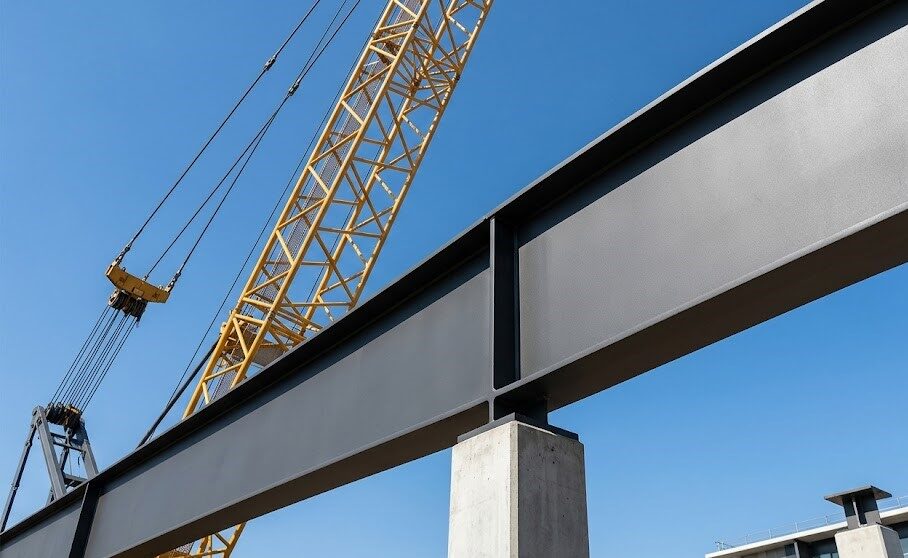
Industrial infrastructure demands extreme durability. Massive steel beam structures, architectural shade frameworks, and public transport hubs face intense environmental wear. Standard coating facilities simply cannot accommodate these oversized components.
When you slice large structural elements to fit small curing ovens, you introduce major vulnerabilities. Every weld joint and bolt assembly becomes a potential failure point for rust.
To ensure long-term structural integrity, heavy industrial projects require oversized coating capabilities. You need processing infrastructure built specifically for grand-scale production.
Here is a look at the technical logistics and structural benefits of utilizing a specialised 14-metre powder coating system for commercial infrastructure.
The Engineering Challenge: Why Massive Scale Matters
When metal fabricators design large-scale infrastructure, finishing options are often limited by facility capacity. Standard powder coating ovens typically max out at 6 or 8 metres.
Forcing large designs into small spaces creates significant engineering drawbacks:
- Excessive sectional joining: Engineers must design structures in smaller pieces, increasing assembly time on-site.
- Weakened corrosion barriers: Joint connections, fasteners, and field welds are the first areas where moisture penetrates.
- Inconsistent surface finishes: Coating separate sections at different times can lead to minor variations in colour and gloss.
- Increased structural weight: Splicing plates and heavy internal sleeves add dead weight to the overall infrastructure design.
Utilising a single continuous 14-metre process eliminates these weak points entirely.
Technical Logistics of Managing 14-Metre Components
Powder coating a 14-metre structural steel section is a highly precise engineering feat. It requires specialist heavy-lifting equipment and strict chemical controls.
1. Advanced Pre-Treatment at Scale
Surface preparation determines the lifespan of the entire coating. If the metal substrate is not perfectly clean, the powder layer will eventually delaminate.
- Oversized Dipping Tanks: Large industrial pieces must be completely submerged in chemical pre-treatment stages. This removes mill scale, oils, and surface oxidation uniformly.
- Automated Blast Rooms: For heavy structural steel, multi-stage abrasive blasting creates the ideal mechanical profile for maximum coating adhesion.
- Multi-Stage Chemical Conversion: Applying specialised zirconium or zinc-phosphate undercoats ensures comprehensive rust protection across the entire 14-metre surface.
2. Electrostatic Powder Application
Achieving a completely uniform film thickness across a massive area requires state-of-the-art application technology.
- Synchronised Multi-Gun Systems: Automated reciprocators and manual touch-up technicians work together. This ensures complex geometries, web steps, and internal corners receive equal coverage.
- Strict Film Thickness Monitoring: Technicians use digital gauges to verify consistent mil thickness along the entire length of the component before it enters the curing phase.
3. Precision Thermal Curing
Curing a massive piece of steel requires immense, controlled heat energy.
- High-Volume Convection Ovens: Ovens must maintain an exact, uniform temperature (typically around 200°C) from end to end.
- Eliminating Temperature Gradients: If one end of a 14-metre beam cures faster than the other, the coating can suffer from uneven hardness or visual defects.
- Thermal Mass Management: Heavy structural steel takes longer to reach core temperature. Advanced oven programming ensures the metal achieves full cure without over-baking the exterior surface.
Key Benefits of Coating 14m Pieces in a Single Run
Investing in large-scale coating production offers immediate logistical and performance advantages for major projects.
Structural Integrity vs. Field Assembly
| Feature / Consideration | Single 14-Metre Coated Section | Multiple Spliced Sections |
| Corrosion Risk | Minimal; seamless protective barrier over the full span | High at connection points, bolt holes, and field welds |
| On-Site Install Time | Fast; crane lifts the complete component directly into place | Slow; requires significant alignment, bolting, or welding |
| Structural Cleanliness | Sleek, continuous lines ideal for modern architectural projects | Broken lines with visible joint plates and fasteners |
| Structural Warranty | Maximised due to factory-controlled application | Often compromised due to field repairs and touch-ups |
Export to Sheets
Designing with Confidence
Architects and engineers can specify ambitious spans without worrying about transport compromises. This is particularly valuable when working at scale powder coating massive shade structures or large public canopies where structural safety is paramount.
Selecting the Right Performance System for Oversized Projects
Not all industrial powders are created equal. Large infrastructure components require top-tier formulations to survive decades in harsh climates.
- Class 3 Ultra-Durable Powders: These premium architectural powders offer maximum resistance to intense Australian weathering and UV radiation.
- Advanced Corrosion Primers: For maximum longevity, industrial projects should implement a multi-coat system. Utilizing an epoxy or zinc-rich primer underneath the topcoat establishes a highly resilient barrier. This is critical to choose the right industrial coating system long term protection against aggressive atmospheric conditions.
- Targeted Environmental Engineering: The coating system must match your specific project site. Ensure your finishing provider can explicitly match industrial needs powder coating performance to the localized environment, whether it is a high-pollution urban zone or a heavy industrial processing plant.
Quality Assurance Standards for Industrial Infrastructure
Oversized commercial projects require strict verification documentation. Never compromise on quality tracking.
- Adhesion Testing: Destructive cross-hatch testing on sample panels verifies that the coating has bonded permanently to the metal.
- Cure Verification: Solvent wipe tests confirm the powder achieved complete cross-linking inside the oven.
- Chroma and Gloss Checks: Digital spectrophotometers ensure the colour matches exact project specifications along the entire 14-metre length.
- Comprehensive Documentation: Ensure your finishing partner provides full quality assurance certificates, detailing pre-treatment metrics, oven log charts, and film thickness readouts.
Final Verdict: Optimize Your Infrastructure Workflow
When handling heavy architectural or civil projects, processing capacity directly dictates structural quality. Opting for a seamless 14-metre finish reduces assembly points, removes rust vulnerabilities, and significantly accelerates your on-site installation timeline.
Avoid the structural compromises of multi-piece assembly. Look for a finishing partner with dedicated, large-capacity processing lines, verified quality assurance protocols, and local engineering expertise. Your infrastructure will stand resilient, look immaculate, and withstand severe conditions for decades to come.
