 07 3375 6777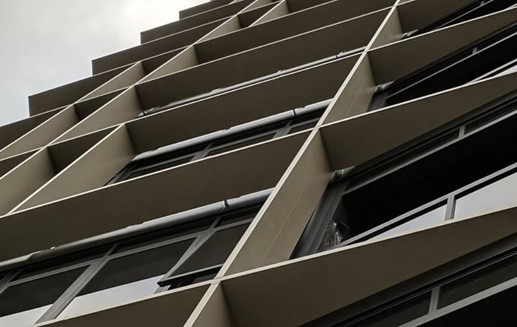
In the Australian architectural landscape, the durability of aluminium finishes is not just a matter of aesthetics; it is a matter of structural integrity and long-term liability. For decades, AS 3715 has served as the “gold standard” for metal finishers, architects, and fabricators, governing the preparation and coating of aluminium for architectural applications.
However, as we move through 2025, the standards have evolved to meet the challenges of a changing climate, more aggressive coastal environments, and higher expectations for warranty security. For professionals in the South East Queensland corridor—from Brisbane to the Gold Coast—staying compliant with the latest revisions is critical.
At Superior Coaters, we understand that navigating these technical documents can be daunting. This guide breaks down the essential 2025 updates to AS 3715 and what they mean for your next project.
1. The Shift from Distance to “Micro-Climates”
One of the most significant shifts in the 2025 revisions is how we define the risk of corrosion. Historically, the industry used a simple “distance from the coast” rule (e.g., anything within 5km of the ocean required high-performance powder).
The updated standards move closer toward the AS 4312 (Atmospheric Corrosivity Categories) framework. This means that instead of just looking at a map, specifiers must now consider:
- Prevailing Winds: Does the site face the ocean directly?
- Sheltered Areas: Interestingly, “sheltered” areas (like the undersides of balconies or soffits) are now recognized as high-risk zones because they aren’t washed by rain, allowing salt and pollutants to build up.
- Industrial Pollutants: The interaction between salt spray and urban pollution in growing hubs like Brisbane’s CBD.
What this means for you: Architects can no longer rely on “standard” powder specifications for every project. A site-specific assessment is now a prerequisite for ensuring the coating stands the test of time.
2. The Three-Tier Classification System: Class 1, 2, and 3
The 2025 revisions place a heavier emphasis on the classification of the powder itself. Choosing the wrong class can lead to premature “chalking” or fading, which is particularly common under the intense UV radiation of the Queensland sun.
- Class 1 (Standard Durable): Suitable for residential projects in benign environments (Category C2/C3). These are your “everyday” powders that offer good value but limited UV resistance.
- Class 2 (Super Durable): The new “industry standard” for commercial and high-end residential. These powders are tested to withstand Florida-style weathering (which mimics the Australian coast) for significantly longer periods.
- Class 3 (Ultra Durable/Fluoropolymer): Reserved for monumental projects, high-rise towers, and extreme coastal environments. These coatings offer the highest level of gloss retention and colour stability.
Superior Coaters Tip: In 2026, we are seeing a massive shift where Class 2 is becoming the minimum requirement for any project with a warranty over 10 years.
3. The Critical Role of Pre-Treatment
The 2025 AS 3715 revisions reiterate that powder coating is only as good as the surface beneath it. The standard has tightened the requirements for chemical pre-treatment and mechanical preparation.
For aluminium, this involves a multi-stage process to remove oxides and create a “key” for the powder to bond to. The revisions now place more accountability on the applicator to prove that their bath concentrations and rinse cycles are monitored with surgical precision.
At Superior Coaters, our pre-treatment process is designed to exceed these standards. Whether it’s a standard architectural section or a massive 14-metre structural beam, the preparation ensures that the “interfacial bond” between the metal and the coating is unbreakable, preventing the dreaded “filiform corrosion” (spider-web-like rust under the paint).
4. Why “Accredited Applicator” Status is Non-Negotiable
This is perhaps the most vital takeaway for 2025. Major powder manufacturers like Dulux and Interpon have aligned their warranty structures strictly with the updated AS 3715 standards.
A warranty is only valid if the coater is an Accredited Applicator.
If a fabricator uses a non-accredited shop to save on costs, the warranty on the powder itself is often void from day one. In the event of a coating failure three years down the line, the liability falls entirely on the fabricator or the architect who specified the coater.
Superior Coaters is a proud Accredited Applicator, meaning our processes—from the 14-metre oven temperature consistency to our chemical titration logs—are regularly audited. When we issue a certificate of compliance, it is backed by the manufacturer’s warranty, providing peace of mind for the entire supply chain.
5. The “Sheltered Areas” Warning
One of the most common causes of coating failure in Queensland is a lack of maintenance in “sheltered” areas. The 2025 revisions highlight that salt and pollutants accumulate in areas not reached by natural rainfall.
The standards now suggest that maintenance schedules must be more frequent for these zones. As an architect or developer, providing the end-user with a Maintenance Log (as prescribed by AS 3715) is now essential for maintaining warranty validity. This usually involves a simple fresh-water wash-down every 3 to 6 months, depending on the corrosivity zone.
6. Sustainable Coating: The 2025 Green Mandate
With the push toward “Green Star” ratings in Australian construction, the updated standards also touch on environmental impact. Powder coating remains the most sustainable choice for architectural metal:
- Zero VOCs: Unlike liquid paints, powder coatings contain no Volatile Organic Compounds.
- Overspray Reclamation: Up to 98% of powder can be recovered and reused.
- Longevity: By adhering to the 2025 AS 3715 standards, you ensure the product lasts 20+ years, reducing the “whole-of-life” carbon footprint of the building.
Conclusion: Partnering for Compliance
The 2025 revisions to AS 3715 aren’t just red tape; they are a response to the reality of the Australian climate. By specifying the correct powder class, ensuring rigorous pre-treatment, and—most importantly—partnering with an Accredited Applicator, you protect your project, your reputation, and your bottom line.
At Superior Coaters, we specialize in high-capacity, high-compliance powder coating. With our 14-metre oven and decades of experience in the Brisbane and Gold Coast markets, we are uniquely equipped to handle the largest architectural sections while meeting the most stringent 2025 standards.
Planning a project? Contact our team today to discuss your specifications, corrosivity zones, and how we can ensure your project meets the new AS 3715 requirements.
