 07 3375 6777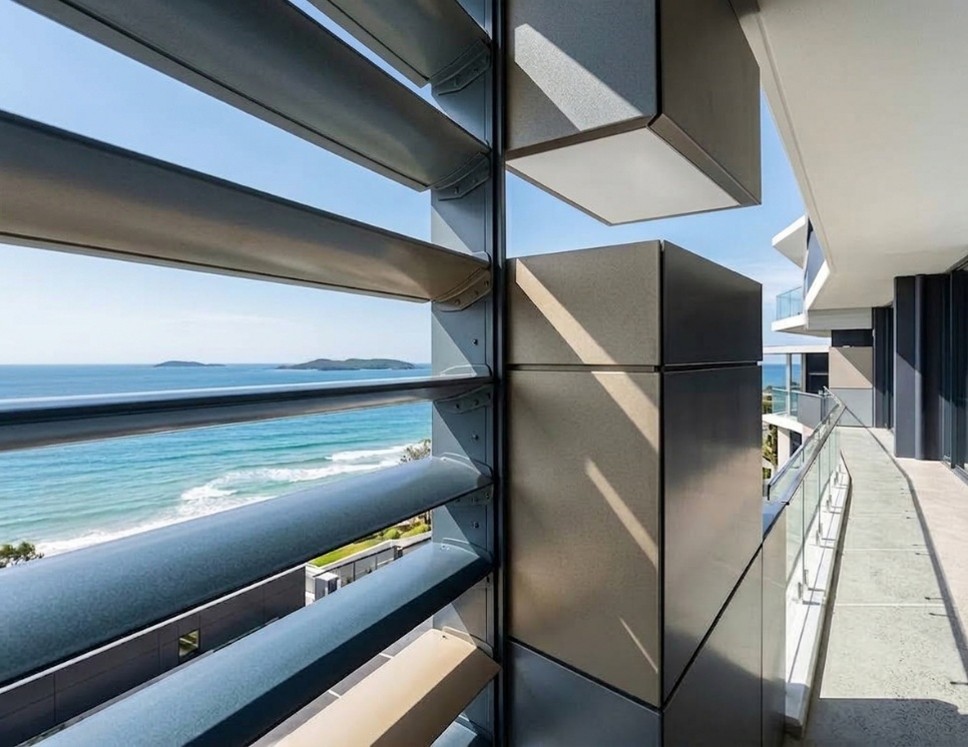
Selecting the correct architectural finish dictates the longevity, compliance, and aesthetic value of any commercial building. In Australian environmental conditions, metal structures encounter intense ultraviolet (UV) radiation, high humidity, and airborne salts.
Without appropriate surface protection, metal substrates deteriorate prematurely. Architectural powder coating provides an essential barrier against thermal expansion, chemical exposure, and atmospheric corrosion.
Understanding Architectural Powder Coating Finishes
Commercial developments demand specific visual textures, light reflective values, and tactile qualities. Modern powder coating technology offers diverse finishes suited to explicit architectural requirements.
Standard Finish Categories
- Gloss Finishes: Reflect high light levels and offer smooth surfaces that resist dirt accumulation.
- Satin Finishes: Provide a medium sheen that balances light reflection with subtle texture.
- Matte Finishes: Deliver a contemporary, non-reflective appearance that minimises visual surface imperfections.
- Textured & Ripple Finishes: Mask substrate irregularities and improve surface grip for high-touch structural components.
- Metallic & Pearlescent Finishes: Incorporate metallic flakes to imitate anodised metals, copper, or bronze without structural weight penalties.
Comparing Powder Coating Finishes for Australian Applications
| Finish Type | Visual Appearance | Maintenance Needs | Ideal Commercial Use Cases |
| Matte | Low sheen, flat, modern aesthetic | Low to Moderate | Commercial window frames, exterior cladding, facade panels |
| Satin | Soft sheen, balanced light reflection | Low | Door frames, architectural louvres, balustrades |
| Gloss | Highly reflective, vivid colour output | Low (easy wash-down) | Commercial signage, industrial equipment, public amenities |
| Textured / Ripple | Structured, non-smooth surface | Moderate | High-traffic handrails, walkways, industrial structural frames |
| Metallic / Pearl | Shimmering, high-end metallic lustre | Low to Moderate | High-density residential facades, corporate entry foyer features |
Australian Durability Standards: AS 3715 and Qualicoat
Compliance with Australian standards ensures that finished metal components resist severe environmental stress over extended design lifespans.
Key Australian Standards
- AS 3715: Governs metal finishing and thermosetting powder coatings applied to architectural aluminium components.
- AS 4506: Covers thermosetting powder coatings applied to ferrous metals and structural steel substrates.
- Qualicoat Standards: Represents international quality specifications for liquid and powder coatings used on aluminium for architectural applications.
Environmental Atmospheric Categories (ISO 9223 / AS 4312)
Australian sites are classified based on corrosion severity:
- C1–C2 (Low Risk): Interior spaces, dry inland areas.
- C3 (Medium Risk): Urban areas, industrial zones, inland regions with light salinity.
- C4 (High Risk): Industrial coastlines, severe marine environments within 1 km of ocean water.
- C5–CX (Extreme Marine): Surf zones, offshore infrastructure, high-salinity industrial facilities.
Selecting the Right Finish Based on Coastal Proximity and UV Exposure
Selecting the appropriate powder coating chemistry depends heavily on project location. Standard polyester powders suit mild environments. High-durability or hyper-durable fluoropolymer technologies are critical for harsh coastal settings.
| Corrosion Classification & Environment | Recommended Coating Technology |
| C1 – C2: Low / Inland | Standard Durable Polyester |
| C3: Urban / Light Salinity | Architectural Super Durable Polyester |
| C4 – C5: Marine / Severe Coastal | Fluoropolymer / Hyper-Durable Architectural Powder |
Key Selection Considerations
- Proximity to Saltwater: Projects within 1000 metres of breaking surf require super-durable or fluoropolymer powder formulations.
- UV Index & Sunlight: High UV exposure causes chalking and colour fading on sub-standard coatings.
- Substrate Material: Structural steel requires specialised zinc-rich primers or abrasive blasting prior to topcoat application.
- Thermal Movement: Thermal cycles on long aluminium extrusions necessitate flexible coating systems to prevent cracking.
For detailed industry context on preventing application failures, review 5 Coating Mistakes Businesses Must Avoid.
Pre-Treatment: The Core Requirement for Longevity
A powder coating finish performs only as well as the surface pre-treatment beneath it. Skipping pre-treatment steps leads to film delamination and severe corrosion underneath the powder layer.
The Multi-Stage Pre-Treatment Process
- Degreasing: Removes oil, greases, and processing lubricants from raw metal surfaces.
- Mechanical Abrasive Blasting: Removes scale, rust, and surface contaminants from heavy steel elements.
- Chemical Conversion Coating: Applies a chromate-free conversion layer to raw aluminium to ensure chemical bonding.
- Deionised Rinsing: Cleans chemical residues before entering the dry-off oven.
For large structural projects involving heavy machinery or long-span metalwork, explore Oversized Powder Coating Solutions Built for Demanding Industrial Use.
Maintenance Schedules to Maximise Coating Lifespan
Regular maintenance preserves coating warranties and maintains visual appeal over the design life of commercial assets.
Maintenance Best Practices
- Wash surfaces with clean, warm water and a mild pH-neutral detergent using a soft sponge.
- Avoid abrasive sponges, solvent-based cleaners, or aggressive pressure washers.
- Inspect coastal installations every three months for salt accumulation.
- Document maintenance cycles to maintain manufacturer warranty compliance.
Frequently Asked Questions
What is the difference between standard and super-durable powder coatings?
Standard durable powders suit interior or mild exterior environments with warranty lifespans around 10 to 15 years. Super-durable powders use advanced resins that offer up to three times greater resistance to UV degradation, making them suitable for severe Australian conditions with extended warranty protections.
How does marine salt spray affect architectural powder coatings?
Salt air accelerates electrochemical corrosion wherever tiny pinholes or scratches exist in a finish. Proper multi-stage chemical pre-treatment and marine-grade primer coats prevent moisture and salt from undercutting the powder film.
Can architectural steel and aluminium be powder coated with the same coating system?
While topcoats may look identical, pre-treatment specifications differ completely. Aluminium requires chemical conversion coatings, whereas structural steel typically requires abrasive blasting and a zinc-rich epoxy primer layer before topcoat application.
How often should commercial powder-coated surfaces be cleaned?
Inland environments require cleaning every six months. Coastal or industrial environments subject to high salinity or atmospheric pollution require cleaning every three months to prevent chemical degradation.
Does a matte powder coating finish wear differently than a high-gloss finish?
Matte finishes show less surface scratching and substrate defects over time compared to high-gloss finishes. However, gloss finishes are easier to clean because dirt and grime struggle to adhere to their smoother surface.
