 07 3375 6777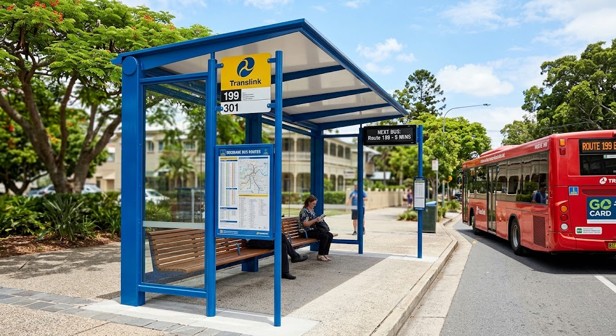
Specifying surface finishes for heavy structural steel requires careful planning. Large metal assemblies undergo severe mechanical and environmental stress. A failure in the coating system can lead to costly site repairs and structural corrosion.
Engineers and builders must address fabrication geometry and finishing requirements early in the project lifecycle. Partnering with professional industrial powder coating services during the design stage ensures long-term asset protection and seamless project delivery.
The Challenges of Oversized Steel Fabrications
Large-scale structural steel creates unique coating challenges. Standard batch ovens cannot fit extra-long beams or massive frames. Transporting heavy assemblies can also damage untreated or improperly cured surfaces.
- Mass Thermal Drift: Thicker steel sections heat up slowly, requiring modified curing cycles.
- Complex Geometries: Deep recesses and internal corners suffer from the Faraday cage effect.
- Galvanising Outgassing: Trapped moisture in hot-dip galvanised steel creates pinholes during baking.
- Transport Risks: Heavy rigging and transport chains can chip low-durability coatings.
Crucial Design Considerations for Powder Coating
Fabricators must prepare steel structures for the coating process before sending assemblies to the shop. Proper design prevents costly rework and coating defects.
1. Air Venting and Drainage Holes
Powder coating and liquid pre-treatment require fluid flow. Chemical pre-treatment tanks must penetrate internal cavities to clean steel thoroughly.
- Drill drain holes at sealed tubular joints to allow complete liquid drainage.
- Provide air vents at top high points to prevent air pockets during immersion.
- Ensure holes are at least 10 mm to 20 mm in diameter depending on section size.
2. Maximum Equipment and Oven Dimensions
Verify your powder coater’s physical capability before completing shop drawings.
|
Facility Parameter |
Standard Industrial Coating |
Heavy & Oversized Capabilities |
|
Oven Length Limit |
Up to 6.0 metres |
Up to 12.0+ metres |
|
Cranage / Lifting Capacity |
1.0 to 2.5 tonnes |
5.0+ tonnes overhead crane capacity |
|
Pre-Treatment Method |
Manual spray wand |
Automated multi-stage wash or blast booth |
|
Substrate Compatibility |
Light aluminium & sheet steel |
Heavy beams, posts, and bridge girders |
3. Lifting Points and Rigging Provision
Oversized items require dedicated hanging points for processing.
- Weld non-structural lifting lugs to frames for hanging hooks.
- Specify designated un-coated contact zones on non-critical faces.
- Avoid using temporary clamps that can leave bare marks on visible surfaces.
Powder Coating vs. Liquid Wet Paint for Heavy Steel
Choosing between industrial wet spray and powder coating depends on structural exposure, maintenance access, and durability requirements.
|
Feature |
Architectural Powder Coating |
Industrial Wet Paint Systems |
|
Impact Resistance |
Very High (flexible, tough polymer matrix) |
Moderate (prone to chipping on impact) |
|
Edge Coverage |
Superior (electrostatic attraction pulls powder to edges) |
Variable (paint pulls away from sharp corners) |
|
Cure Time |
Immediate upon cooling ( ready in hours) |
Slow (days required for full chemical cure) |
|
Environmental Impact |
Low VOCs, minimal waste via recycling |
High VOC emissions and chemical solvents |
|
Specification Standards |
Dulux & Interpon Accredited Systems |
AS/NZS 2312 coating categories |
For high-use public assets like powder coating service light poles and commercial frame assemblies, powder coating delivers superior impact protection and lower lifecycle maintenance costs.
Quality Standards and Warranties
Specifying finishes for public infrastructure requires strict adherence to Australian standards. Working with a Dulux accredited powder coater in Brisbane ensures your project meets architectural warranty terms.
- AS 3715: Metal finishing for architectural aluminium applications.
- AS/NZS 4506: Metal finishing and thermoset powder coatings on structural steel.
- Dulux Specification: Requires strict chemical pre-treatment and film thickness verification.
When coating external steel structures, such as powder coaters shade structures or pedestrian bridges, always specify high-durability powders like Dulux Duratec or Fluoroset. These lines provide high UV resistance against Queensland’s harsh sun.
Pre-Treatment Steps for Galvanised Steel & Heavy Beams
Proper surface preparation accounts for 80% of coating longevity. Heavy steel requires rigorous cleaning before powder application.
- Abrasive Blasting: Blast steel to Class 2.5 (AS 1627.4) to remove mill scale and rust.
- Degreasing & Chemical Etch: Remove oil, grease, and shop contaminants in pre-treatment tanks.
- Outgassing Preheat: Heat heavy steel or galvanised components above curing temperatures to drive out trapped gases.
- Epoxy Primer Application: Apply a zinc-rich primer coat for enhanced corrosion resistance on powder coater bridge components.
Frequently Asked Questions
What is the maximum size steel section that can be powder coated?
Maximum size depends on the powder coater’s oven and blast booth dimensions. Superior Coaters can accommodate oversized structural steel, long beams, and large frame assemblies up to 12 metres in length. Always consult your coater before finalizing structural section sizes.
Why does galvanised steel require pre-heating before powder coating?
Hot-dip galvanised steel traps moisture and gases within its porous zinc layer. Pre-heating (outgassing) bakes out these trapped gases before powder application. Skipping this step causes pinholes and bubbles in the final finish.
How do you prevent damage to powder-coated steel during transport?
Use protective foam wrapping, non-marking lifting slings, and timber dunnage between stacked items during transit. Ensure rigging crews use soft slings rather than bare chains when lifting coated steel on-site.
Can oversized powder-coated steel be touched up on-site if damaged?
Yes. Minor transport or installation scratches can be touched up using colour-matched, air-dry liquid paint coats or specialized repair kits supplied by the powder manufacturer.
What warranty applies to structural steel powder coating?
Warranties depend on the substrate, location environment, pre-treatment process, and chosen powder rating. Dulux-accredited coaters offer project warranties ranging from 10 to 30 years when specified with approved architectural powder systems.
